ESS & BESS Battery Packs Built for Indian Conditions
Energy Storage System Manufacturer in India — ZERA BESS
Get an Instant ESS Battery QuoteOverview
Grid-Grade Energy Storage. Built for Zero Downtime. ZERA™ Energy Storage Systems (ESS) by Leolus Energy Pvt. Ltd.
When your business can’t afford power interruptions, you need an energy storage system battery that actually delivers. ZERA Energy Storage Systems are what we build for exactly that problem. Engineered with advanced lithium technology and intelligent BMS, ZERA ESS provides reliable, scalable, and long-life energy storage for infrastructure-grade applications.
Every ZERA ESS battery pack is designed and manufactured in India by our team at Leolus Energy. We support grid-connected, off-grid, and hybrid configurations — ensuring stable power, uncompromised safety, and predictable performance in the most demanding environments
Quick answer: India's battery energy storage system (BESS) market spans utility-scale developers, system integrators assembling imported modules, traders, and pack manufacturers. Leolus Energy is a LiFePO4 BESS pack manufacturer in Bangalore — we design the pack, grade and match the cells, set the BMS profile for your inverter and cycling pattern, and assemble and test in-house. ZERA ESS packs run from 48V commercial backup blocks to modular racks for C&I and public-infrastructure projects, in grid-connected, off-grid and solar-hybrid configurations.
Last updated: · Reviewed by the Leolus Energy engineering team, Bangalore.
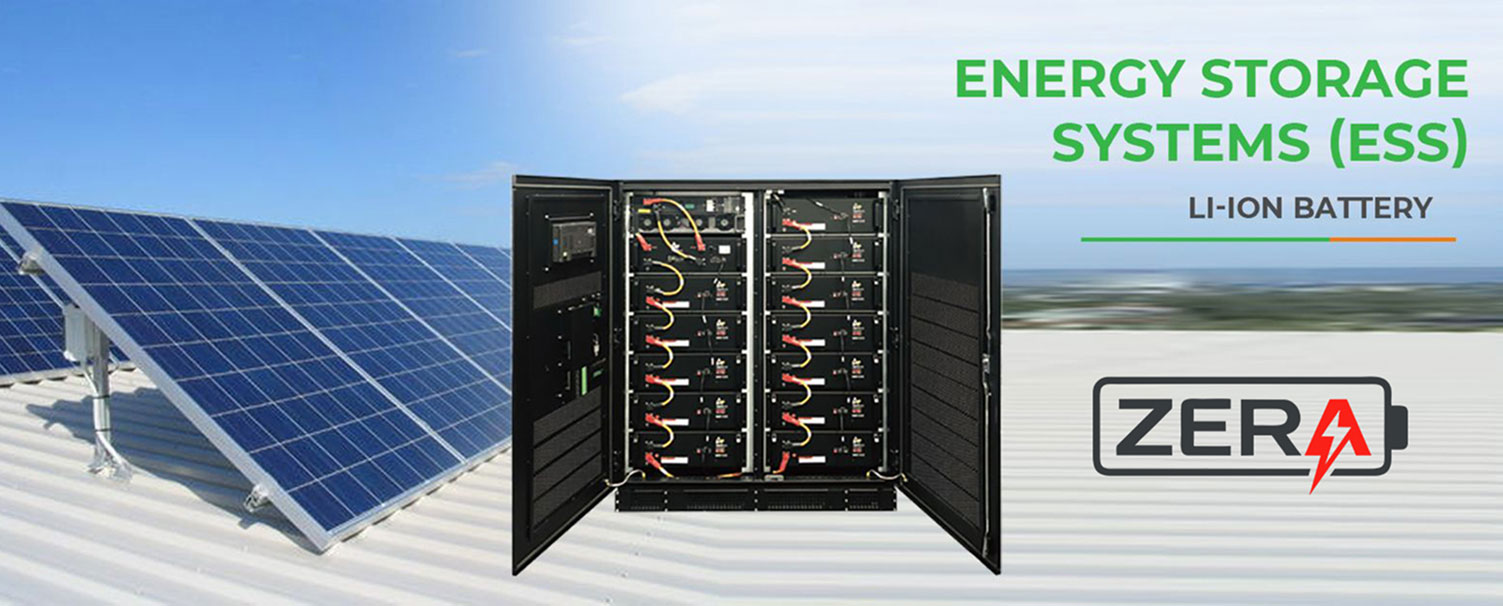
Why Infrastructure Teams Choose ZERA ESS
- High-energy lithium architecture for longer backup and higher efficiency
- Smart BMS for real-time monitoring, protection, and lifecycle optimization
- Modular & scalable design from commercial to infrastructure scale
- Built for harsh climates and heavy cycling
- Export-ready manufacturing with consistent quality
- Powering Critical Applications
Solar + ESS
- Commercial & Industrial
- Backup & UPS
- Off-Grid Systems
- Public Infrastructure
Built to Store. Built to Deliver.
ZERA ESS isn’t a generic battery you buy off a catalogue.
It’s an infrastructure-grade energy storage system battery built for projects in India where downtime means lost revenue.
A Battery Energy Storage System (BESS) Manufacturer in Bangalore, India
If you're comparing battery energy storage system manufacturers in India, most of what you'll find are integrators assembling imported modules. Leolus Energy is different: we are a BESS battery manufacturer — the LiFePO4 packs inside a ZERA system are designed, built and tested at our own facility in Bangalore. That means one accountable partner for cell selection, BMS, enclosure and after-sales support, with factory-direct pricing and no import lead times.
We supply battery energy storage companies, EPCs and solar developers across India with custom BESS packs — from 48V commercial backup blocks to modular racks for C&I (commercial & industrial) and public-infrastructure projects. Grid-connected, off-grid and solar-hybrid configurations are all supported, and every pack can be tuned for your inverter and cycling profile. Need something non-standard? Get a custom-designed ESS battery engineered to your specification.
Based in Bangalore and evaluating BESS companies locally? Visit the factory, audit the line, and test a pack before you commit — book a visit or request a BESS quote here.
How to Evaluate Energy Storage System Manufacturers in India
Search for energy storage system manufacturers in India and you get a mix of very different businesses presented as if they were the same thing. They are not, and the difference matters enormously once a project is live and something needs replacing. Here is the honest breakdown of who you are actually talking to.
| Type of supplier | What they actually do | Best suited to |
|---|---|---|
| Utility-scale developers | Build and operate grid-scale BESS assets, often as part of a renewables portfolio | Multi-MWh grid and IPP projects; not a route for a single C&I or product-level pack |
| System integrators | Assemble imported cells, modules or complete containerised systems under their own brand | Standard configurations where an off-the-shelf module fits the requirement |
| Traders & distributors | Resell finished packs; no design or manufacturing control | Small repeat orders of catalogue items where price is the only variable |
| Pack manufacturers (what we are) | Design the pack, select and grade cells, build the BMS profile, assemble and test in-house | Custom voltages, non-standard enclosures, OEM supply, and projects where one accountable partner matters |
Six questions worth asking any ESS supplier
- Do you manufacture the pack, or assemble a bought-in module? The answer determines whether anyone can actually fix a problem two years in.
- Which cells, and can you show the grading data? Cell selection and matching drive cycle life more than any headline spec on a datasheet.
- Is the BMS configurable to my inverter and cycling profile? A fixed BMS profile means the system is tuned for someone else's application, not yours.
- What is the real lead time, and what happens if I need a replacement? Imported modules can mean months; a domestic line means weeks.
- Can I visit the facility? A manufacturer can say yes to this. An intermediary usually cannot.
- What documentation comes with the system? Test reports, GST invoice, warranty terms and end-of-life handling should all be on the table before you order.
LFP vs NMC for Indian energy storage projects
Almost every stationary storage decision in India comes down to LiFePO4 (LFP) versus NMC. We build ZERA ESS packs on LFP, and the reasoning is straightforward: LFP tolerates Indian ambient temperatures better, has a materially longer cycle life for daily-cycling solar and backup duty, and has the safer thermal-runaway profile — which matters when a pack sits inside a building for a decade. NMC wins on energy per kilogram, which is decisive on a drone and largely irrelevant on a floor-mounted storage rack. For anything that cycles daily and does not have to fly, LFP is the better economics over the life of the asset.
If you are also comparing solar lithium battery manufacturers for lighting and off-grid loads, or need a pack that does not exist in any catalogue, our custom battery engineering team works from your specification rather than a product list.
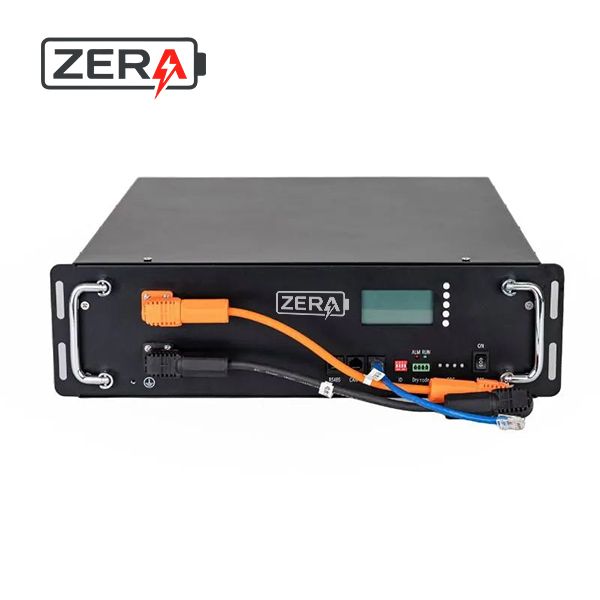
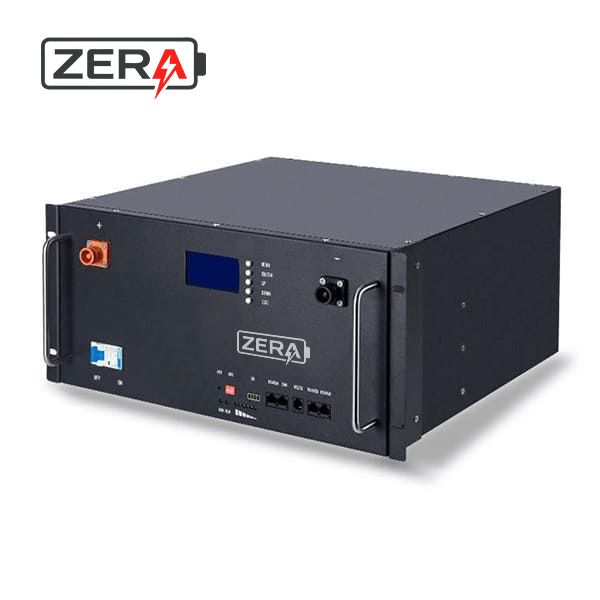
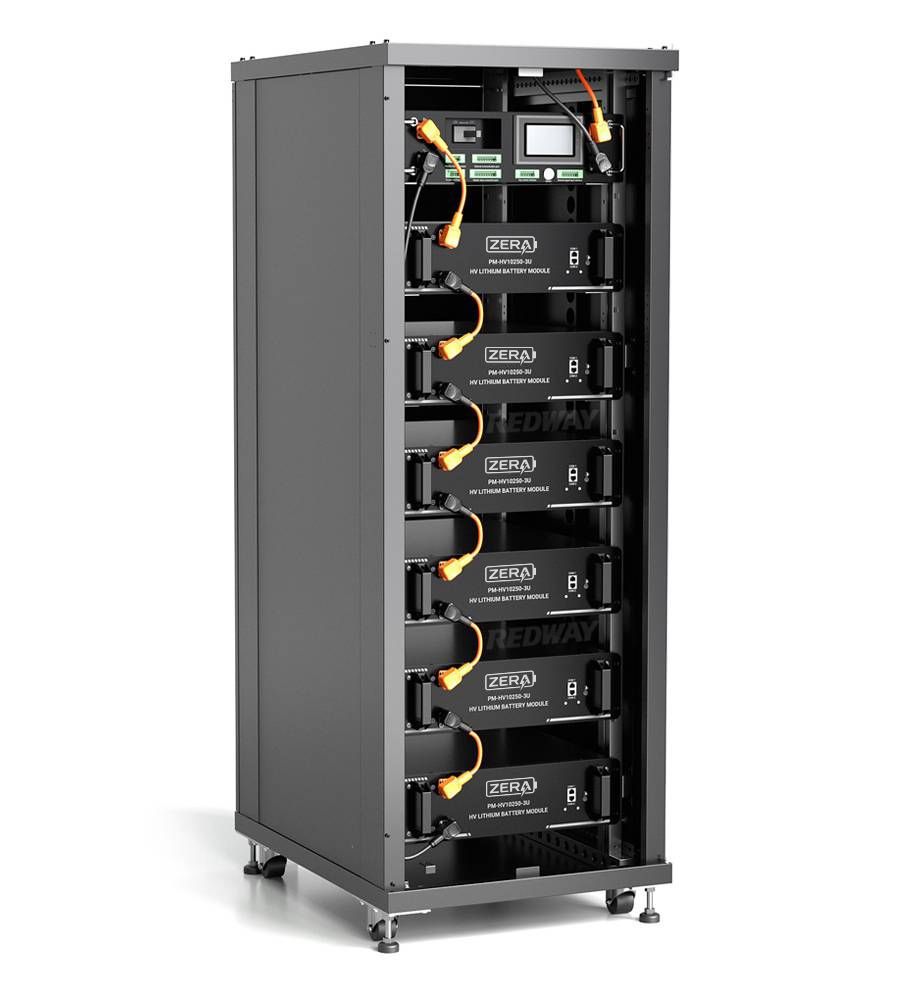
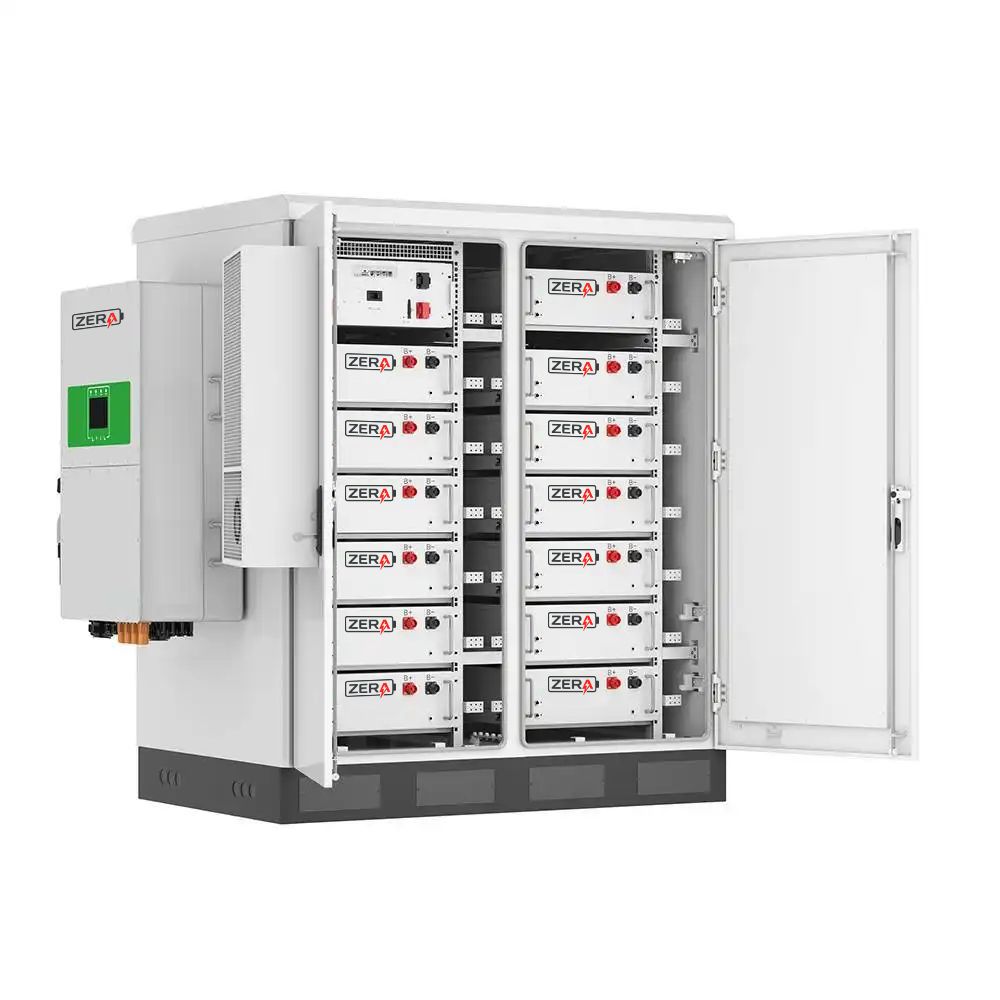
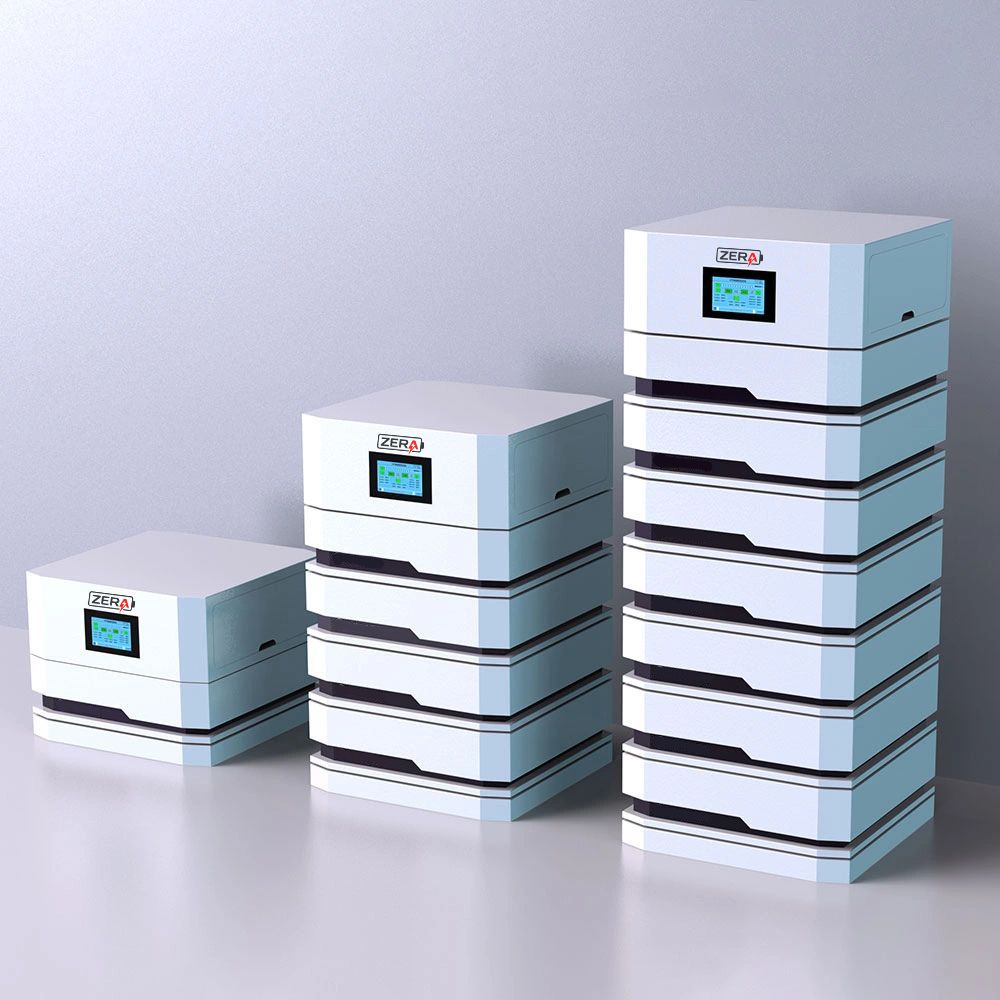
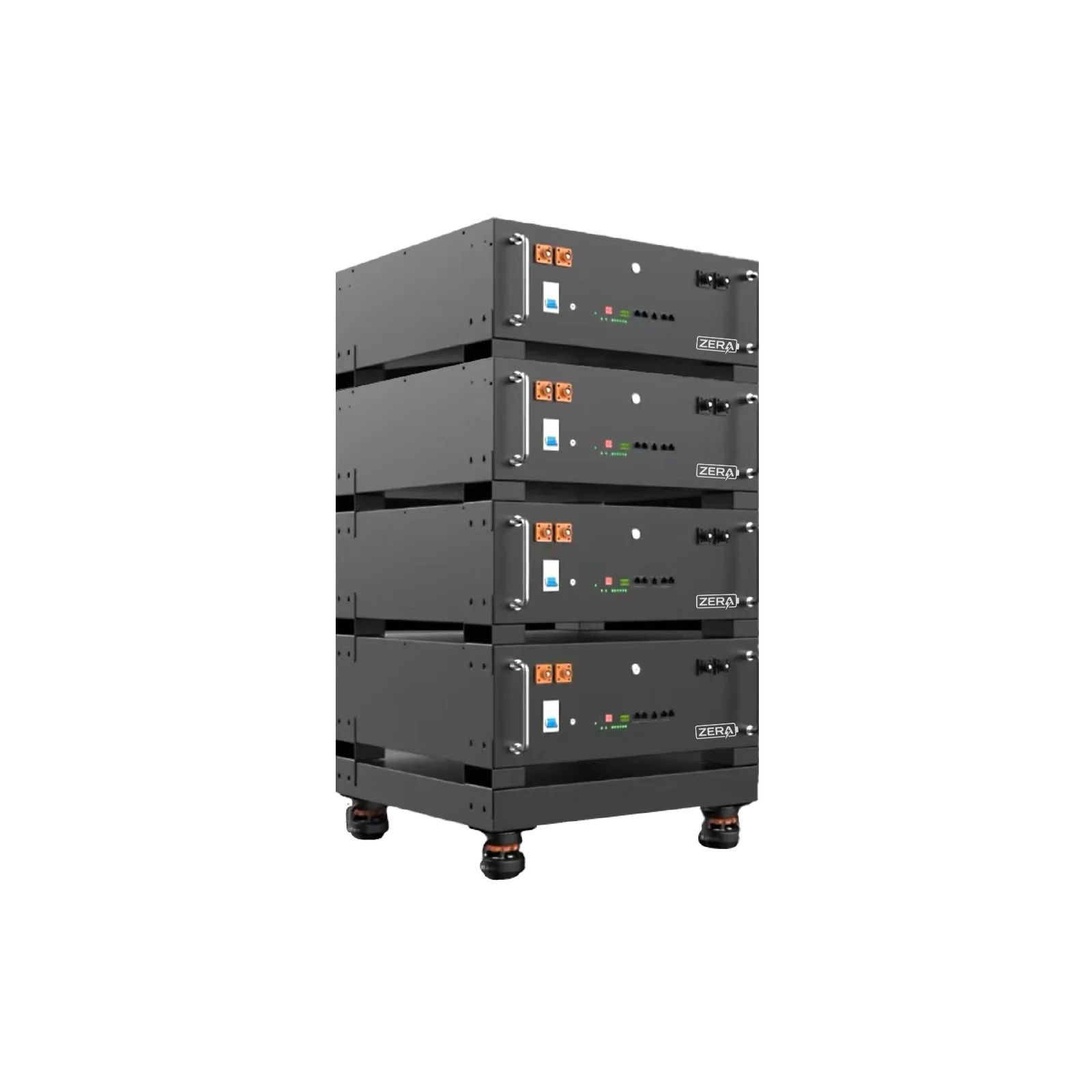
ZERA™ ESS — Engineered for Reliable Energy Storage and Continuous Power
Energy Storage System Batteries — FAQs
Sizing a storage bank? Request a quote, speak with our engineering team, or see OEM and bulk supply.
Let's Connect -
Powering Your Vision With Smarter Energy.
Have a project in mind or need a custom battery solution?
Our Brands
Sizing a storage bank?
Send system voltage, usable capacity and how deeply the bank cycles in a normal day. Those three numbers decide the pack configuration, and with them we can answer with a proposed architecture instead of a brochure.
Send Your ESS RequirementOEM & Volume Supply